
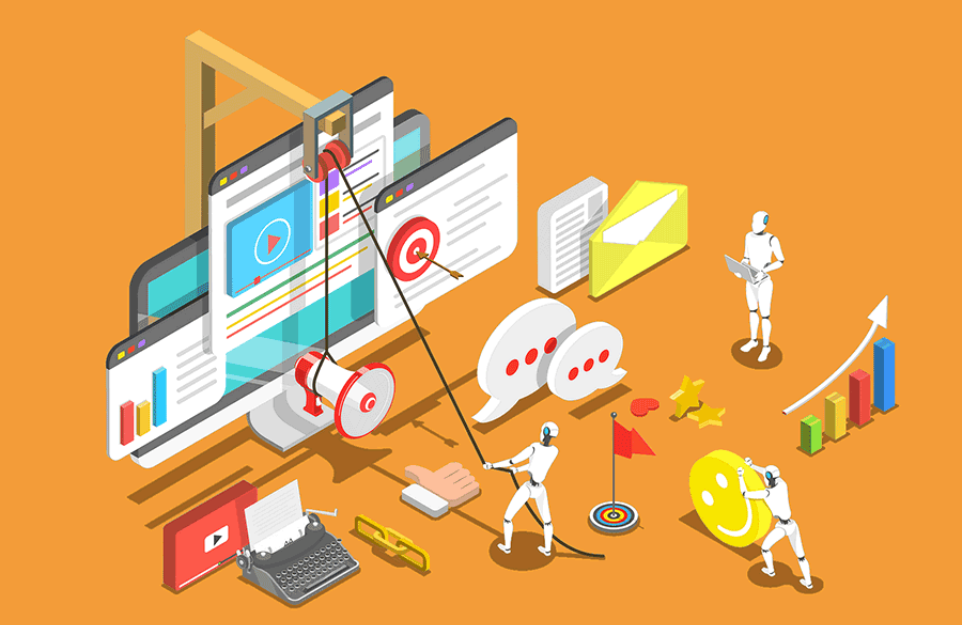
In this blog, we will talk about data analytics and its important role in making marketing campaigns successful. Anvis Digital is good at handling data. We will show how using data helps to improve targeting and engagement. You will find practical tips on how to use analytics for better campaign performance and getting more return on investment.
Today, the difference between okay marketing campaigns and really good ones often relies on how well you get your data.
At Anvis Digital, we have seen how data analytics has changed marketing from guesswork into a clear way of making smart decisions.
Let’s look at how businesses can make use of data analytics to build marketing campaigns that connect with their audience.
The Base: Knowing Marketing Data Analytics
Marketing data analytics is not just about gathering numbers; it is about understanding customer actions and how well campaigns do. It’s like putting together a puzzle where every piece of information shows a part of your customer’s journey. When analysed correctly, this information reveals patterns that might otherwise be missed, helping marketers make plans that lead to success.
Key Parts of Data-Driven Marketing
Customer Behaviour Study
Knowing how customers engage with your brand at different points offers valuable insights. Now, with advanced tracking tools, we can map out entire customer journeys from first awareness to final sale. This broad view helps find key times when marketing efforts can make a big difference.
For example, when we looked up into one e-commerce client, we found many people left during certain steps in the checkout process. By fixing these issues, conversion rates went up by 35%.
Predictive Analytics and Trend Prediction
Modern data analysis is not just looking back—it’s also about predicting what will happen next and the behaviours of customers. With machine learning and statistical models, we can forecast trends in the market as well as think ahead to meet customer needs while arranging campaign timing for the best results.
Think about how weather affects shopping habits: Our study for a clothing store showed that some products got more attention based on weather forecasts. This allowed us to adjust marketing messages and stock levels ahead of time.
Personalization on a Larger Scale
Data analysis lets marketers go beyond basic demographic groups to design very personalized digital marketing campaigns. By checking what customers prefer, their past purchases, and browsing habits, we can create specific messages that resonate with personal needs and interests.
Putting Data-Driven Marketing Plans into Action
Step 1: Gathering Data and Bringing It Together
Good data analysis starts with proper collection of information. This means:
– Setting up tracking across all digital platforms
– Merging data from many sources (website, social media, email, CRM)
– Making sure the data is quality checked
– Following rules for good governance of the data
Step 2: Analysis and Getting Insights
Raw info only becomes useful when turned into insights that can be acted upon. This involves:
– Finding key performance indicators (KPIs) that fit business goals
– Using sophisticated analytics tools to see trends and connections
– Making dashboards that display information clearly
– Regularly reporting results to monitor progress
Step 3: Building Strategies and Carrying Them Out
Insights from analysing data should directly shape your marketing strategy:
– Creating targeted campaign messages based on customer groups
– Making the timing of campaigns and choosing where to put them better
– Making content journeys that feel personal
– Doing A/B testing things
Looking at Success: The Worth of Data Analysis
Spending on data analysis gives back through getting better campaign results in many ways:
Results Metrics
When done right, using data in marketing usually gives:
– More conversions (often 20-30% better)
– Keeping customers longer (up to 40% more)
– Lower costs to get new customers (savings of 15-25%)
– Better customer lifetime value (increases of 25-50%)
Real Example Impact
A recent job we did for a B2B tech client shows how strong data-driven marketing can be. By looking at past campaign details and how customers acted, we:
– Found out what content types work best for different buying steps
– Discovered the ideal times to share content
– Made specific messages for certain industry groups
The result? A 45% lift in good leads and a 28% drop in acquisition cost.
Next Steps: What’s Coming for Data Analytics in Marketing
Looking ahead, some new trends will change how data analysis works in marketing:
AI and Learning Machines
Smart tech and learning machines will keep improving how we look at and analyse data, letting us do more complex predictions and personalized experiences.
Privacy-Focused Analysis
With more attention on privacy, future analytics will focus on gathering and using data while respecting users’ privacy but still giving helpful insights.
Instant Analysis and Automation
Being able to check and react to data promptly will be key, allowing campaigns to change as needed and making optimizations automatically.
Bottom Line
Data analysis has changed how digital marketing campaigns are done, turning guessing into something precise. At Anvis Digital, we noticed how this change brings about better campaigns, improved returns, and stronger ties with customers.
As tech moves forward, there will be even more chances for data-led marketing to grow, creating additional paths for businesses to engage their audiences effectively.
Want to revamp your marketing efforts with data analysis? Reach out to Anvis Digital so we can assist you in unlocking the full potential of your marketing information.